AI-generated audio translation
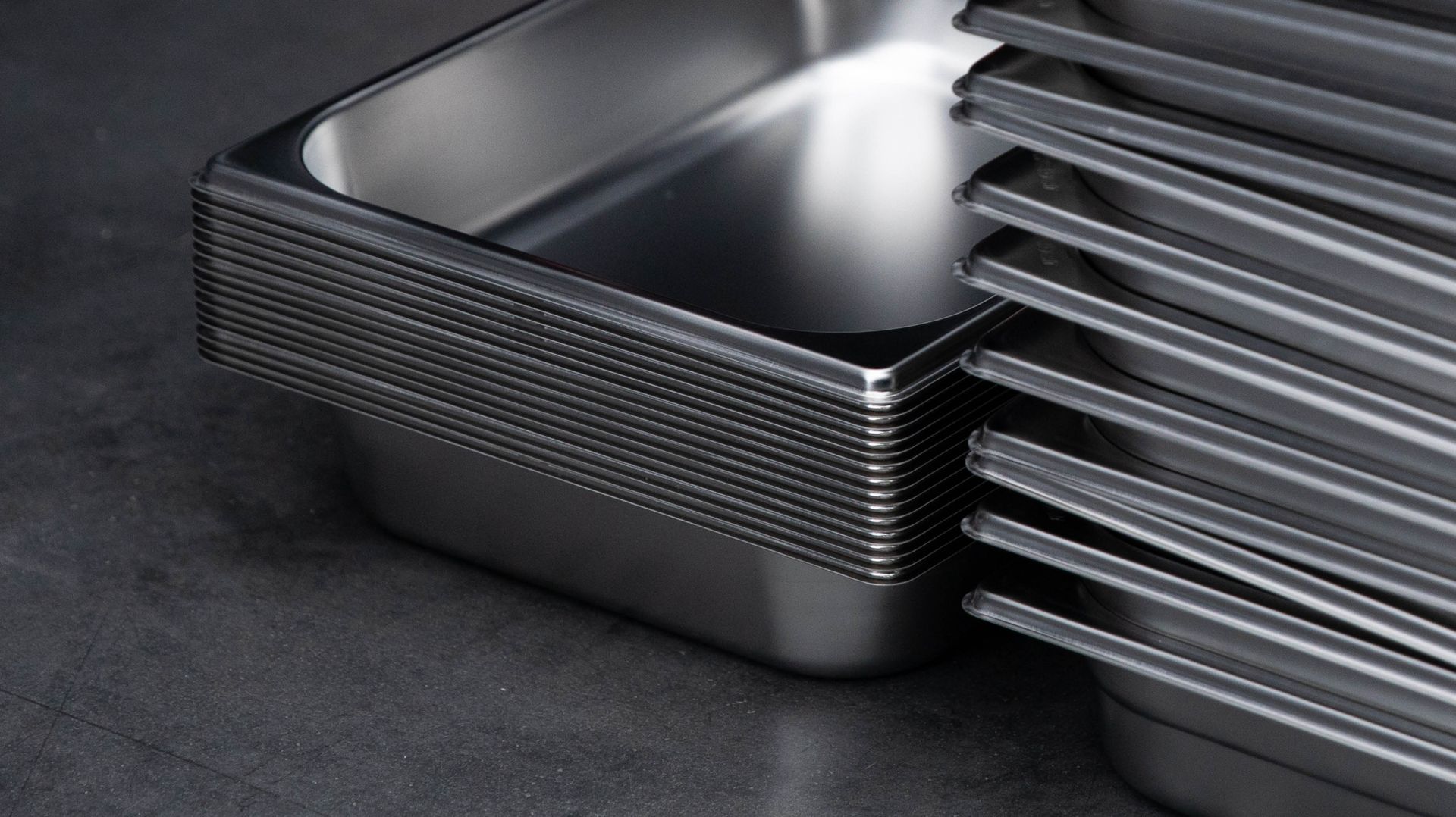
France's reusable revolution is entering its next phase: with the new industrial washing and logistics platform SEMELOG in Villeneuve-la-Garenne, one of Europe's most significant infrastructure projects for plastic-free institutional food service is taking shape. At the heart of the system are reusable stainless steel GN containers. More than 500,000 GNauto containers from Rieber form the foundation of a closed-loop reusable system.
SEMELOG was initiated by French municipalities to meet the requirements of the EGAlim and AGEC legislation and to completely eliminate plastic containers from school and institutional catering. The central washing and logistics facility will handle the cleaning, drying, storage, traceability and redistribution of reusable containers for numerous central kitchens throughout the Île-de-France region.
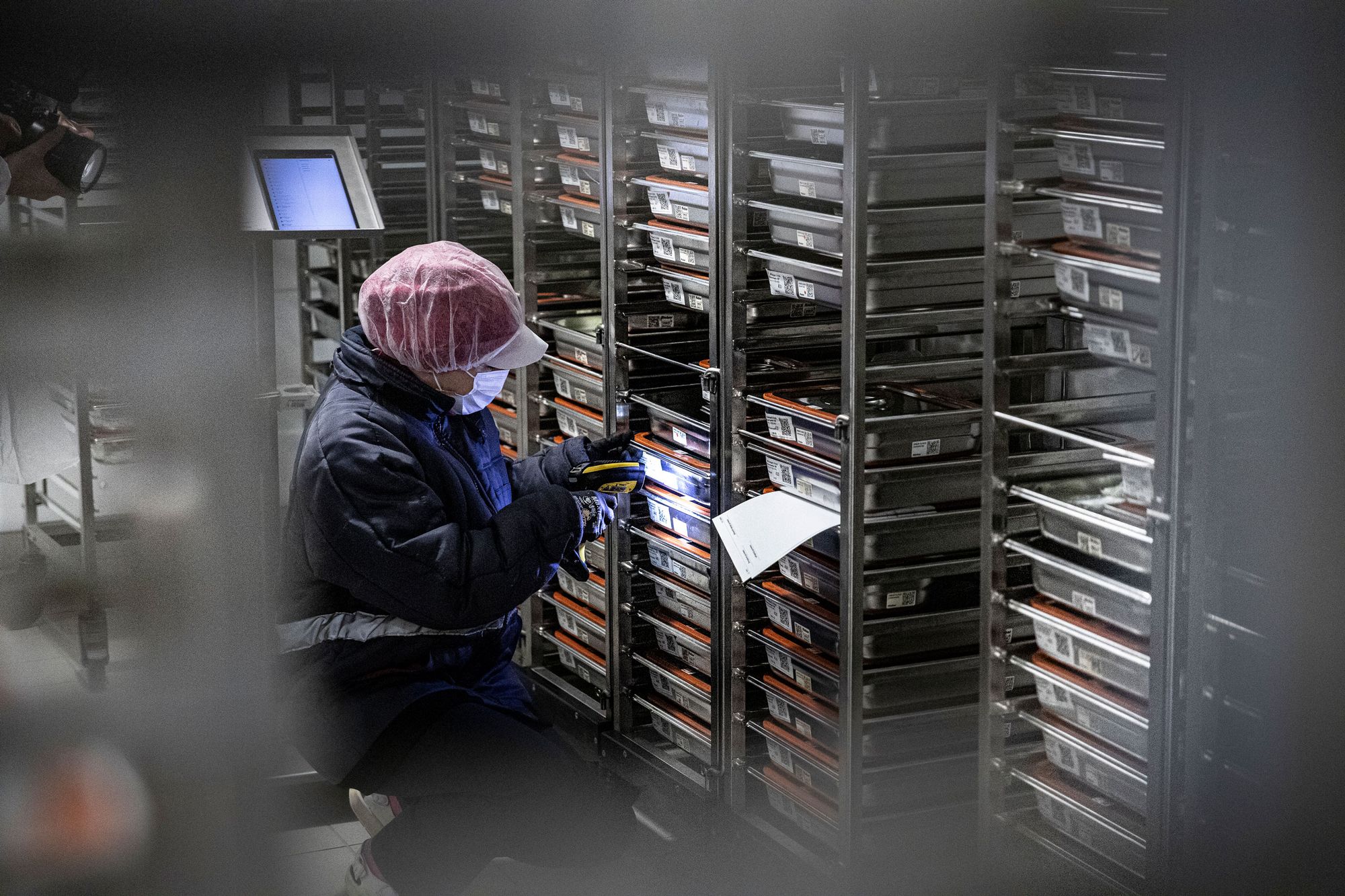
With a capacity of up to 160,000 meals per day and around 40,000 cleaned GN containers daily, SEMELOG is setting new benchmarks for the industrial implementation of reusable systems. State-of-the-art automation technology, digital traceability and intelligent quality controls ensure maximum hygiene and process reliability.
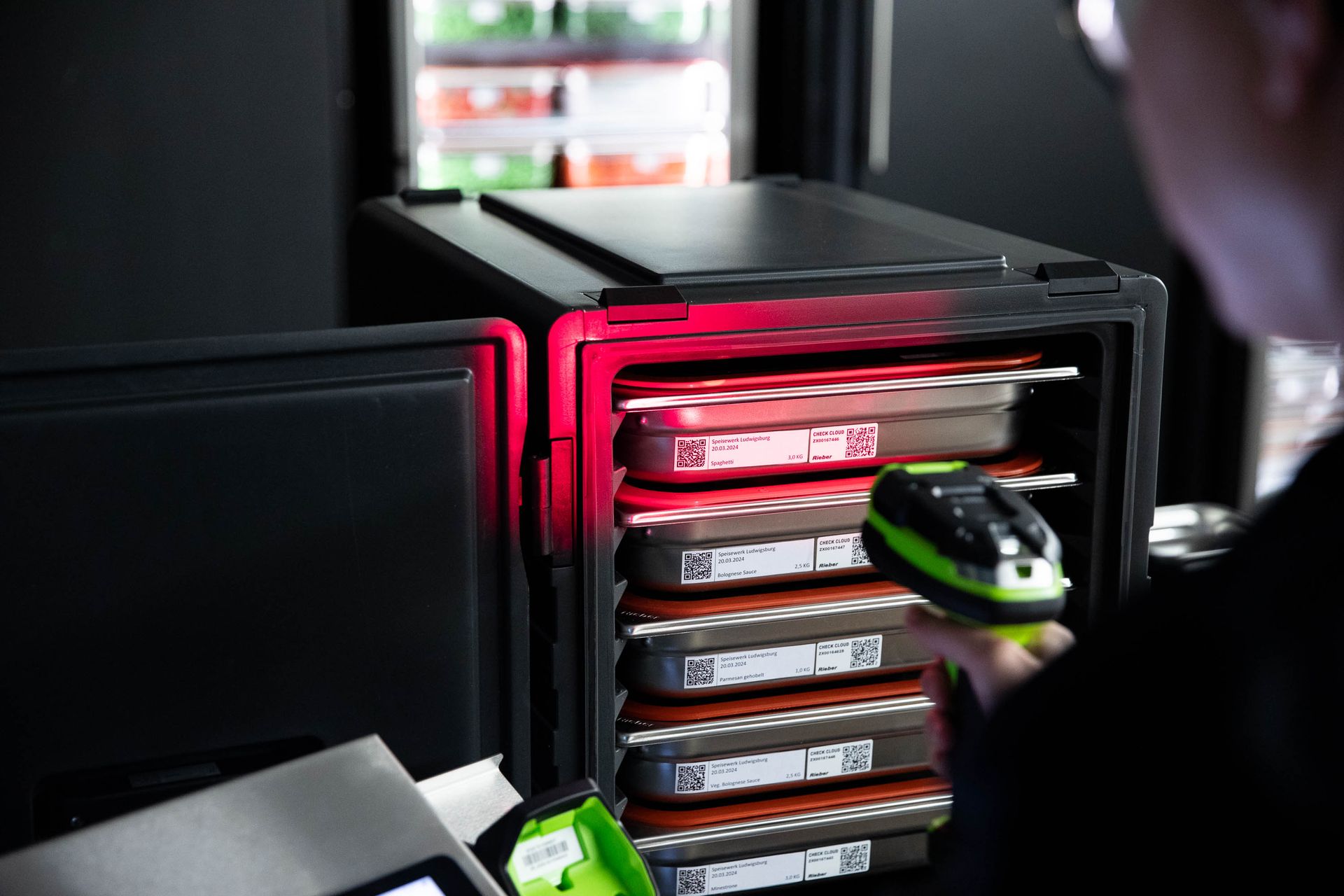
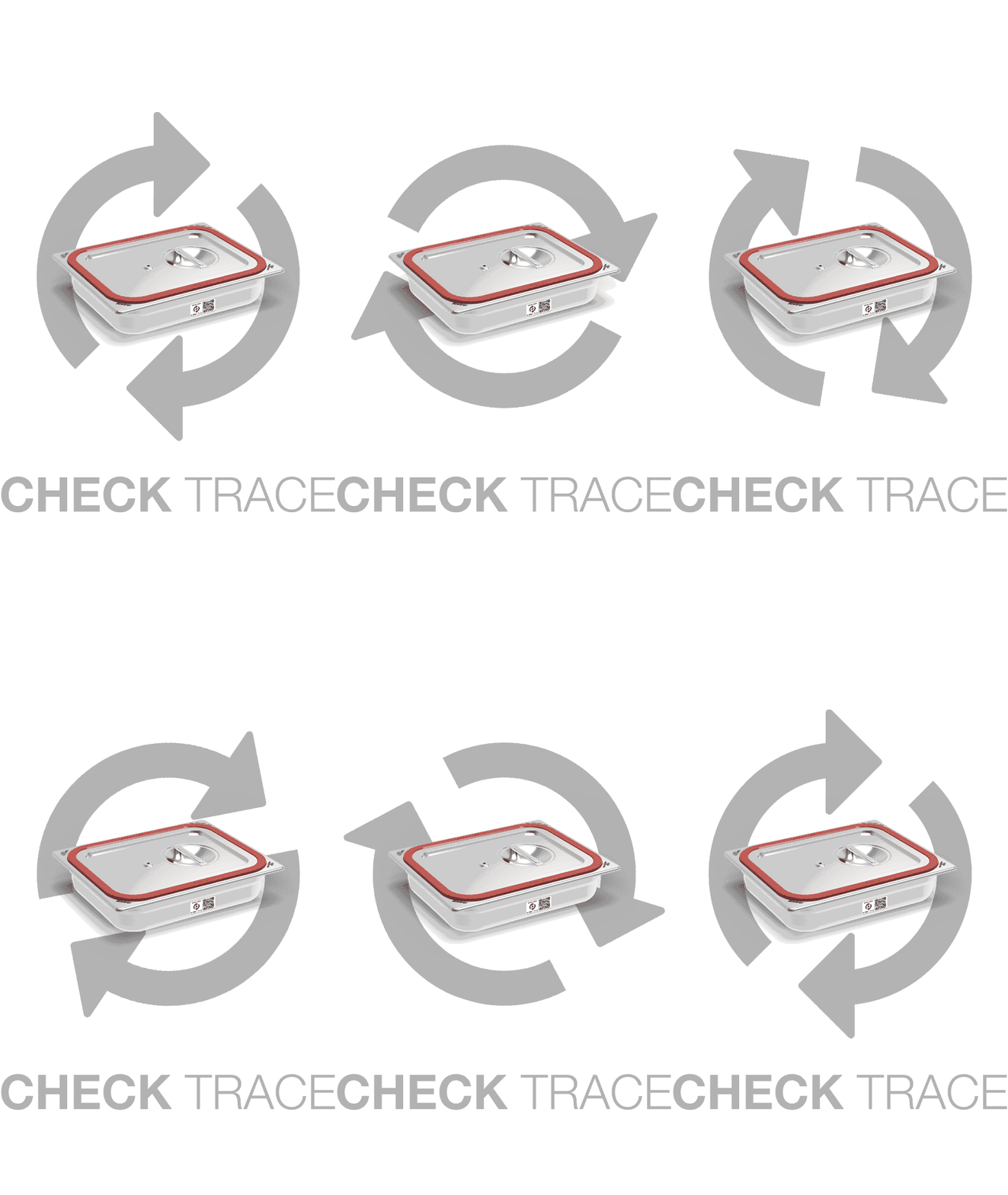
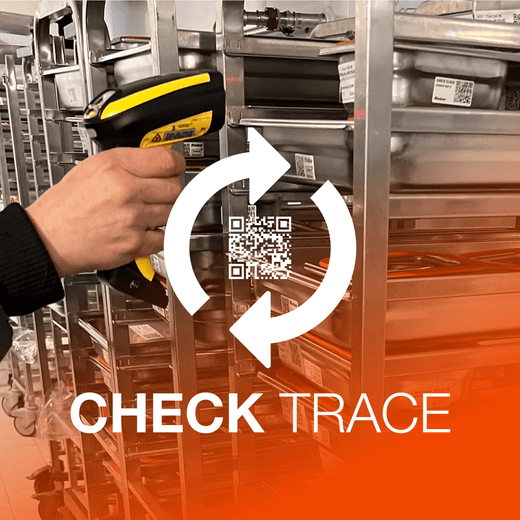
A key component of the system is digital traceability. All GNauto containers from Rieber are uniquely identified in accordance with DIN 18849 and equipped with an individual QR code. This enables every container to be uniquely identified and tracked throughout the entire cycle. From filling in the central kitchen to transport, serving, return and cleaning at SEMELOG, every process step remains digitally traceable and transparently documented.
For Rieber, the project confirms the future viability of the globally established GN-System. For many years, Rieber has been supporting French municipalities in the transition from single-use to reusable solutions. The robust GNauto stainless steel containers enable a closed material cycle from food production and distribution through to return and reprocessing.
"The GN-System is far more than a container standard. It is the foundation for sustainable, safe and digitally traceable food logistics. SEMELOG demonstrates how reusable systems can be implemented economically and ecologically on an industrial scale."
By switching to reusable stainless steel containers, approximately 450 tonnes of plastic waste are avoided every year. At the same time, municipalities benefit from resource-efficient logistics, reduced water consumption and a sustainable, economically viable solution for institutional food service.
SEMELOG is therefore becoming a flagship project for circular economy principles in institutional food service across Europe. The fact that Rieber's GN-System forms the basis of this reusable cycle once again underlines the importance of standardized reusable systems for the sustainable food service operations of tomorrow.